


A hamper is a small piece of theatre. The box arrives, the lid comes off, and for a minute or two the person holding it is doing nothing except looking. That is the point of them, and it is why the best hampers are built rather than bought. Assemble one from British makers and seasonal food and you end up with something a supermarket gift set cannot imitate: goods with a place attached, a name behind them, and a story to tell when someone asks where the chilli jam came from.
Building one properly takes an afternoon of thinking and a couple of hours of shopping. Here is how to go about it.
Start with a theme, not a shopping list
A hamper without a theme is just a pile of nice things, and piles of nice things are expensive and oddly forgettable. Pick a recipient and a moment instead. "Christmas morning" suggests coffee, marmalade, something sweet to slice, and a candle for the table. "The cook" suggests an infused oil, a jar of chutney, a wooden spoon turned by a local woodworker and a tea towel printed in the next county.
Three to five items that clearly belong together will beat ten that don't. Add one wildcard — something the recipient would admire in a shop and then put back — and the theme does the rest of the work. It also keeps your spending in check, because you stop browsing and start hunting for particular things.
Where to find British makers worth buying from
Independent makers are easier to find than most people think, but they are rarely in the obvious places. A few that repay the effort:
- Farmers' markets and monthly food markets, especially the smaller ones held in town halls and church rooms.
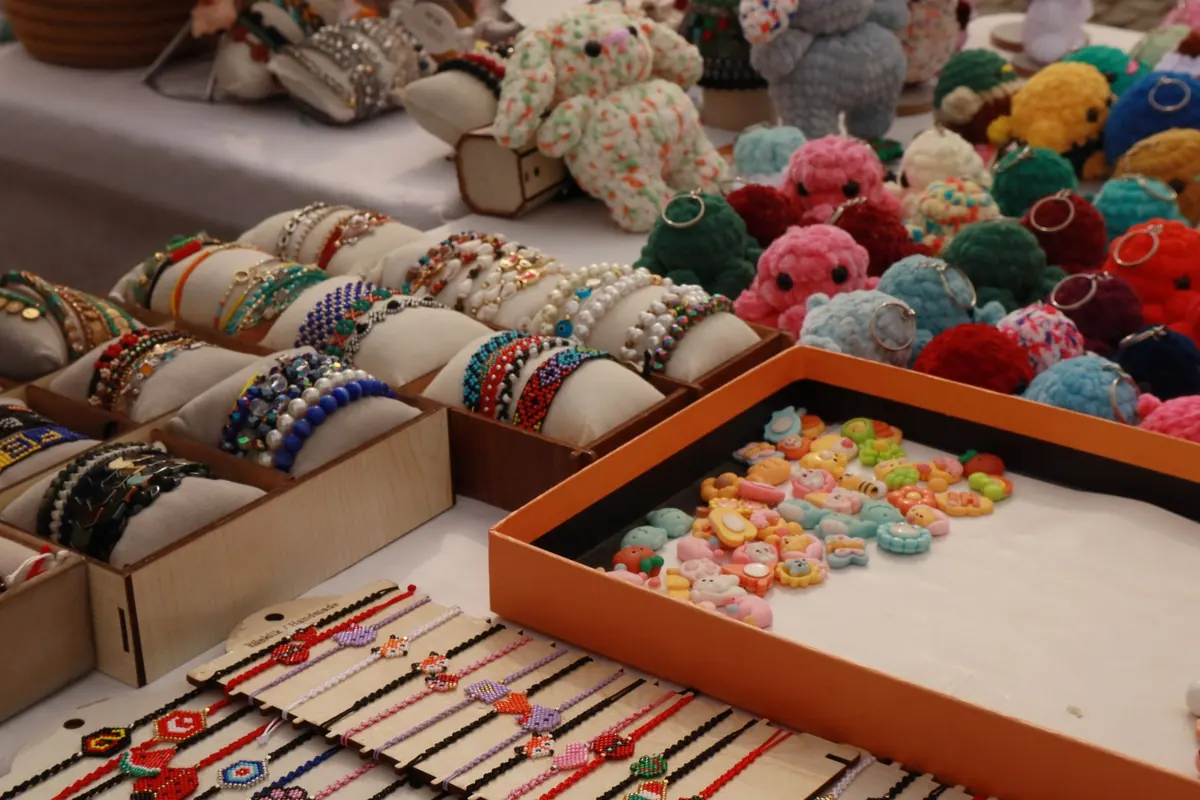
- Christmas craft fairs at galleries, museums and cricket clubs, where the stallholder is usually the person who made the thing.
- The deli counter, where staff will happily tell you who makes the chutney they sell by the jar.
- Museum and gallery shops, which often stock work from regional potters, printmakers and textile designers.
- Direct from makers you already buy from — most small producers take orders by email or through their own website and will post.
Whoever you buy from, ask two questions: how long will it keep, and how should it be stored? Small-batch preserves, cheese and chocolate all have shorter windows than their supermarket equivalents. Buy one item from a new maker before committing to a hamper's worth, and order early — from late November, small workshops are working flat out and the best things sell out first.
What to put in it: a formula that works
Rather than a fixed list, use proportions. For a hamper of roughly six to eight items:
- One centrepiece — a Christmas cake, a truckle of cheese, a panettone, a bottle of something good.
- One drink, alcoholic or not. Bottled apple juice from an orchard two counties away is often more welcome than another bottle of wine.
- Two things that get used up — jam, chutney, coffee, honey, biscuits, tea.
- One thing that isn't edible — a candle, a bar of soap, a mug, wool socks, a small garden tool. It gives the hamper a life after the food is gone.
- One small luxury they would never buy for themselves.
Seasonality is your friend here. December is the month for marmalade made in January, chutney from the last of the autumn gluts, sloe gin, forced rhubarb and cheese from a dairy that only sells locally. Ask the maker what is at its best right now and let that answer decide the hamper's centre.
Check dietary needs before you buy, not after. If you don't know whether someone eats meat, drinks alcohol or avoids nuts, ask — or build the hamper around things that suit everyone. Homemade additions should carry a small label listing what went into them, especially where nuts and dairy are concerned. If you ever plan to sell hampers rather than give them, food labelling rules apply, so check with your local authority's trading standards team first.
Pack it so it arrives in one piece
Choose the container first, because it dictates how much you can buy. A wicker basket looks traditional, but a wooden crate or a sturdy lidded box travels better and is more likely to be kept. Line it with tissue paper or a clean tea towel, then build in layers.
Heavy at the bottom, light on top
Bottles, jars and cheese go in first, wedged so they cannot shift. Wrap glass in bubble wrap or newspaper and tape it, then use the packing material to fill every gap. Soft items — tea towels, socks, biscuits — act as cushions. If you can shake the box and hear nothing move, it is ready.
Keep it to a weight you can carry
An overloaded hamper is a burden rather than a gift, and a heavy one posted across the country is expensive. If you are sending by courier, use a double-walled box, tape the base thoroughly and check the weight limit before you seal it. Fresh items, soft cheese and anything perishable should either be left out or delivered by hand on the day.
The details that make it feel personal
A handwritten card beats a printed one every time. Write down where each item came from — "the honey is from a beekeeper in Ludlow, the mug was thrown by a potter in Stroud" — and the hamper stops being a collection and becomes a small map of places you chose. Tuck in a note with a serving suggestion: which cheese to open first, or how to use the chilli jam with roast leftovers.
Finish with a ribbon, a sprig of dried rosemary, or a tag tied around one jar. Avoid plastic grass, glitter and anything that will be swept into the bin on Christmas Day. The best packaging is the part the recipient keeps and uses again.
A final-week checklist
- Buy non-perishables through November and order from makers by early December at the latest.
- Confirm delivery dates, especially for cheese, cake and anything made to order.
- Assemble the hamper two or three days before you give it, leaving fresh items out until the last moment.
- Add the card and a contents list, including makers' names and any allergen information.
- Give it in person where you can. If you are posting, send it early and tell the recipient roughly when to expect it.
Do those things and you end up with something worth more than the sum of its parts — the sort of gift that is still being talked about in January.
Photo: Tamanna Rumee / Pexels
Related posts
More stories you’ll love reading