


Woodwork
How to Choose Food-Safe Wood for Handmade Chopping Boards and Serving Platters
September 10, 2026
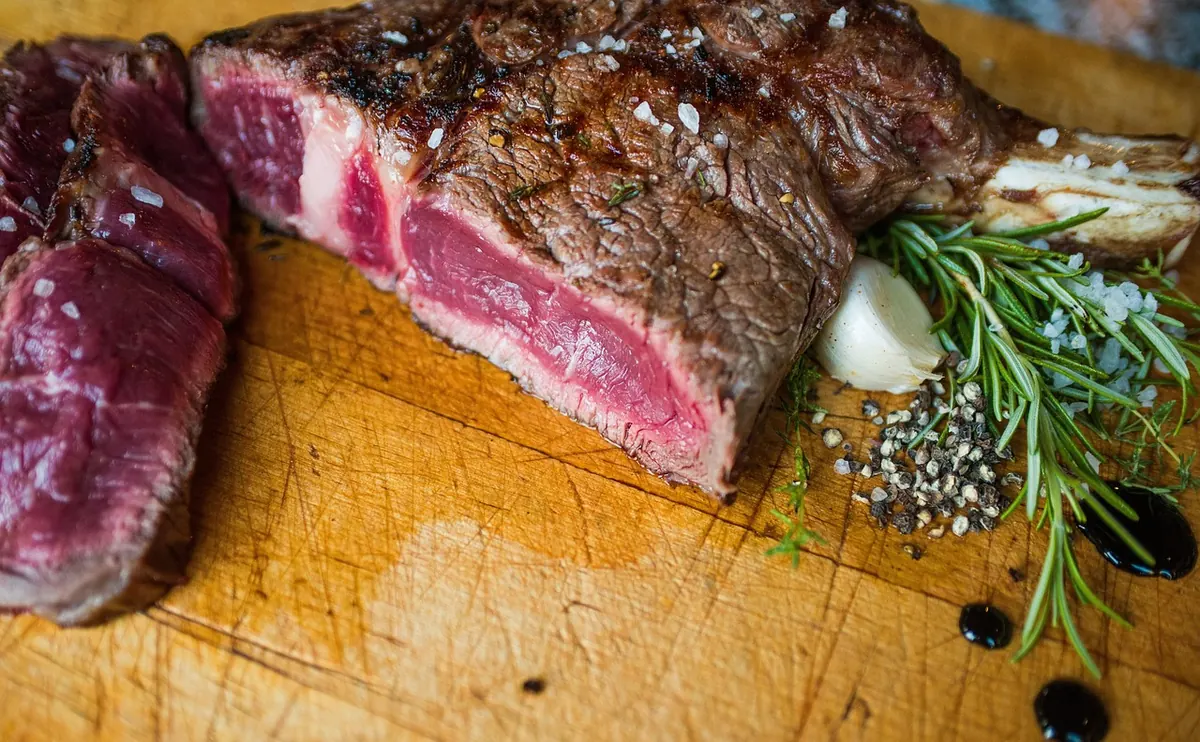
A good chopping board takes years of punishment: hot fat, sharp knives, the occasional soak in the sink. Whether it survives that and stays hygienic comes down to two decisions made long before the first onion is chopped — the timber, and the finish.
Get both right and you have something that will outlast most kitchen gadgets. Get them wrong and you have a decorative plank that splits, stains, or traps moisture in a grain you cannot properly clean.
Three things that make a wood food-safe
Every sensible choice comes back to three properties.
Hardness. Soft timber dents and scores. Those scores are tiny reservoirs for moisture and food particles, and they are difficult to scrub out. A dense, hard wood keeps a smooth surface far longer.
Porosity. Closed-pore timbers wipe clean with a cloth. Open-grained timbers, particularly ring-porous species such as oak and ash, have vessels that carry liquid sideways into the board. That is not automatically a problem once sealed with oil, but it is a consideration.
Chemistry. Some timbers contain natural oils, tannins or alkaloids that taste bitter, stain food, or irritate skin and airways. A few are genuinely toxic. This matters far more than most people assume.
Add one practical point: the timber needs to be properly seasoned, ideally kiln-dried down to a moisture content close to that of a normal British kitchen. Green or damp wood will move, cup and crack as it dries.
Timbers that earn their place in a UK workshop
- Sycamore. The traditional British choice, and still the best starting point. Pale, tight-grained, closed-pore and hard-wearing. Most of the butcher's blocks you see in this country are sycamore for good reason.
- Beech. Dense and fine-grained, widely available, and more affordable than maple. It moves a little more than sycamore, so glue it up with care and let it acclimatise.
- Hard maple. The North American standard for butcher's blocks. Hard, pale, closed-grain and excellent in service, though you will pay for it here.
- Ash. Tough and springy, with an attractive figure. It is ring-porous, so it suits serving platters and lighter-duty boards rather than a daily meat block.
- Cherry, walnut and elm. Wonderful for platters and cheese boards. Softer than the group above, so treat them kindly with knives. Walnut dust irritates some makers, so wear protection.
- Oak. Plentiful and lovely, but the open vessels drink liquid and the tannins react with steel and acidic food, leaving dark marks. Superb for a bread platter, less ideal for heavy chopping.
Whatever you pick, choose straight-grained, knot-free stock with no checks or shakes. A knot is a weak point that will open up the first time the board gets wet.
Softwoods rarely earn their keep
Pine, spruce, larch and Douglas fir are simply too soft. They score deeply, splinter at the edges, and bleed resin that gums up blades and tastes of turpentine. A pine bread board is a familiar sight, but it will not stay flat or clean for long.
Cedar deserves a separate mention. Its aromatic oils are ideal for moth boxes and blanket chests, and entirely wrong for direct food contact.
What to avoid outright
- Toxic or irritating species. Yew, laburnum, rhododendron and oleander have no business near food. Yew in particular is poisonous.
- Highly sensitising exotics. Wenge, padauk, iroko and cocobolo can cause contact dermatitis and respiratory reactions. Many are beautiful, but treat them with caution and never assume they are kitchen-safe.
- Spalted timber. The black lines are fungal decay. Gorgeous in a bowl, unwise against food.
- Treated timber. Pressure-treated softwood, creosoted posts and anything bearing a preservative smell are out. Permanently.
- Reclaimed unknowns. Pallets, railway sleepers, telegraph poles and old painted skirting can carry chemical spills, preservatives or lead-based paint. You cannot tell by looking.
- Sheet materials. MDF, plywood and chipboard are held together with adhesives and swell badly when wet.
End grain or edge grain?
Edge grain — the long face of the board — is easier to make, needs less glue and less oil, and suits most kitchens. The knife meets the fibres side-on, so it dulls an edge a little faster.
End grain is the classic butcher's block arrangement, where the blade parts the fibres instead of cutting across them. It is kinder to knives, but it is a lot more work: more glue lines, more flattening, and an appetite for oil that borders on alarming. Both are perfectly hygienic when finished and maintained properly.
Finishing: oils, wax and patience
Skip the varnish, lacquer and polyurethane films. They crack, flake, and end up in your food. Danish oil, teak oil and boiled linseed oil often contain solvents or metallic driers, so leave them on the shelf too. Olive oil is a common mistake: it never cures and turns sticky and rancid. Raw linseed oil, pure tung oil, food-grade mineral oil and beeswax blends are the sensible options.
- Sand through the grits to around 320. Wipe the surface with a damp cloth to raise the grain, let it dry, then sand lightly again.
- Warm the oil a little and apply it generously with a lint-free cloth. Wear gloves.
- Leave it twenty to thirty minutes, then wipe off everything the wood has not absorbed. Pooled oil dries tacky.
- Wait a full day and repeat. A new board wants three to five coats before it stops drinking.
- Finish with a thin beeswax and oil blend, buffed to a soft sheen. It slows water uptake and looks good doing it.
Re-oil whenever the surface looks pale and dry. On a busy board that is roughly once a month at first, then less often as it becomes saturated.
Before the first slice
Wash by hand in warm soapy water, dry it straight away and stand it on edge so air reaches both faces. Never put it in a dishwasher and never leave it soaking overnight. A scrub with coarse salt and hot water deals with most smells; let it dry fully before putting it away.
If you are cooking for anyone vulnerable, keep separate boards for raw meat and ready-to-eat food, and follow current Food Standards Agency guidance on kitchen hygiene. A well-made wooden board is genuinely hygienic when looked after — but no board compensates for skipping that step.
Start with sycamore or beech, buy straight-grained stock, finish it slowly with an oil you trust, and a board you make this winter will still be in daily use a decade from now.
Photo: MatteoPhotoPro2020 / Pixabay
Related posts
More stories you’ll love reading